160cm Spring Drain Snake: Clear Sink & Shower Clogs
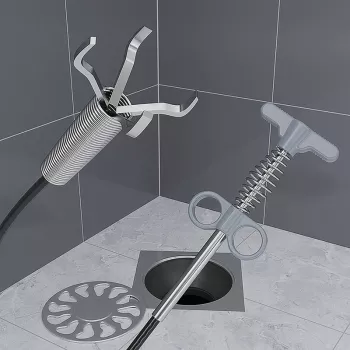
160CM Drain Snake Spring Tool for Clearing Kitchen and Bathroom Clogs
Slow drains and standing water often come from hair, grease, soap scum, and food buildup close to the drain opening. A flexible spring drain snake helps hook, break up, and pull out debris without relying on harsh chemicals, making it a practical option for routine kitchen and bathroom maintenance. With a 160CM length, it can reach past the visible drain throat and into the first bends where clogs commonly form, giving you a simple, reusable way to restore flow before the problem becomes a bigger (and messier) repair.
What This 160CM Spring Drain Snake Is Used For
- Clearing common clogs in sinks, bathroom basins, tubs, and shower drains
- Pulling out hair and lint bundles that collect around stoppers and traps
- Breaking through soft buildup like soap scum and light grease near the drain line
- Quick spot-fixes before deciding whether a deeper clean or a plumber is needed
- A simple tool to keep on hand for recurring slow-drain problems
In many homes, the “mystery clog” isn’t deep in the wall—it’s a mat of hair near the stopper, a sticky ring of residue right after the bend, or stringy food bits snagged just out of sight. A spring-style snake is designed for that in-between zone: farther than fingers or tweezers can reach, but still close enough to remove the material instead of pushing it deeper.
Key Features to Look For in a Drain Snake (and Why 160CM Helps)
- Length: 160CM reaches beyond the drain opening and into common bend areas where debris collects
- Spring flexibility: bends through curves while still offering push-and-pull control
- Hooking action: the tip and coils can snag hair, food strings, and gunk for removal
- Manual operation: no batteries, minimal setup, and easy storage
- Reusable: rinse, sanitize, dry, and store for the next clog
Quick Fit Guide for Common Drain Problems
| Drain issue | Typical cause | What the spring snake does | Best first step |
|---|---|---|---|
| Slow bathroom sink | Hair + toothpaste/soap film | Snags and pulls out hair clumps | Remove stopper, snake 20–40 cm, rotate and withdraw |
| Shower/tub backing up | Hair + soap scum near the bend | Hooks hair and breaks soft buildup | Cover overflow, add a little water, snake deeper in short strokes |
| Kitchen sink draining slowly | Grease + food residue | Dislodges soft buildup and grabs stringy debris | Scoop standing water, snake in, twist, pull debris, flush with hot water |
| Bad drain odor | Organic residue on pipe walls | Removes source material near the opening | Snake + rinse + mild cleaner; repeat if odor returns |
How to Use a Spring Drain Snake Safely and Effectively
- Prepare the area: remove standing water if possible, place a towel/bucket nearby, and wear gloves
- Access the drain: lift out the stopper or drain cover when possible for better reach and fewer snags
- Insert gradually: feed the spring in slowly, letting it follow the curve rather than forcing it
- Work the clog: use gentle push-pull strokes and small rotations to hook debris or break through soft buildup
- Remove debris: withdraw slowly to avoid splatter; dispose of gunk in the trash (not back down the drain)
- Flush: run warm-to-hot water for a minute or two to move loosened residue through the line
- Clean the tool: rinse thoroughly, disinfect, dry, then store to prevent rust and odors
A helpful rhythm is “feed, feel, rotate, withdraw.” If you hit resistance, don’t ram the spring forward—use short strokes and gentle turns so the coils can grab onto the clog material. For kitchen sinks, hot-water flushing afterward helps move softened residue along, especially after you physically remove stringy scraps near the opening.
If you’ve ever removed a stopper and found a sludge-coated hair plug right under it, that’s the kind of blockage a spring snake can remove quickly—often without dismantling the trap. If the clog is stubborn, repeating a few controlled passes usually works better than one aggressive push.
When a Snake Works Best (and When It Might Not)
Chemical Drain Cleaners vs. Mechanical Clearing
Mechanical clearing is straightforward: you’re pulling out the hair, food strings, and residue that’s actually blocking the path. Chemical products may seem convenient, but they can increase safety risks during cleanup—especially if the drain is still partially clogged and liquid can splash. For general chemical safety best practices, consult guidance from the CDC/NIOSH. And if your home uses a septic system, it’s worth reviewing the U.S. EPA recommendations on septic systems to reduce avoidable strain on your system.
Care, Storage, and Simple Prevention Tips
Recommended Picks (In Stock)
- 160CM Sewer Pipe Unblocker Snake Spring Drain Cleaning Tool for Kitchen & Bathroom (In stock, $2.97)
- Break the Tension: Stress Relief Techniques – Breathing Exercises, Quick Meditations, Grounding Techniques, and Time Management Tips to Reduce Stress (In stock, $8.99)
FAQ
How far should the drain snake be inserted for a typical clog?
Start with 20–40 cm for clogs near the opening. For showers and tubs, feed farther in small increments until you feel resistance, then use gentle rotations and short push-pull strokes before withdrawing.
Can a spring drain snake damage pipes?
Used gently, it’s typically safe for common household plumbing. Avoid forcing it through hard resistance, and stop if you suspect a solid obstruction or the tool catches sharply.
What should be done if chemical drain cleaner was used already?
Follow the product’s label directions and prioritize splash and fume safety. If there’s any risk of contact, wait and flush per instructions or seek professional help before attempting to snake the drain.












Leave a comment