Clear Foaming Soap Dispenser for a Sleek Sink Station
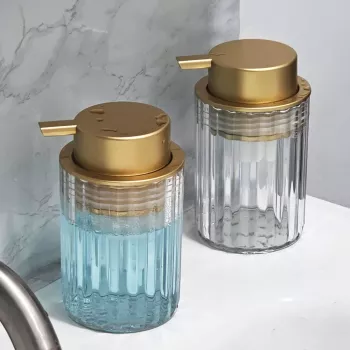
Clear Hand Foaming Soap Dispenser for a Clean, Modern Countertop
A clear foaming soap dispenser keeps hands clean while keeping the sink area visually calm. Its transparent body helps track soap levels at a glance, and the foaming pump turns diluted soap into a rich foam that rinses quickly—ideal for busy kitchens, bathrooms, and guest spaces where a tidy countertop matters.
Why a Clear Foaming Dispenser Works So Well on the Counter
Small countertop items carry a lot of visual weight—especially around a sink, where there’s already a faucet, handles, and often a toothbrush holder or sponge caddy. A clear foaming dispenser blends into the background while still looking intentional.
- Transparent bottle makes it easy to see when it’s time to refill—no surprise empty pumps.
- Foam spreads quickly across hands, often reducing overall soap use compared with straight liquid.
- Clean, minimalist look pairs well with stone, quartz, ceramic, or stainless fixtures.
- Foaming texture can feel gentler and rinses fast, which helps keep sink areas from getting overly wet.
For everyday hygiene basics and timing, the CDC’s handwashing guidance is a helpful reference: CDC: When and How to Wash Your Hands.
Design Details That Keep the Sink Area Looking Intentional
Clear doesn’t have to mean “plain.” With the right soap color and a simple setup, a transparent dispenser can look polished and spa-like without adding more decor to clean around.
- Clear body highlights the soap color; use a neutral or lightly tinted soap for a spa-like effect.
- A dedicated dispenser reduces visual clutter compared with mismatched original bottles.
- Works well grouped with a matching tray, hand lotion, or small plant to create a simple “sink station.”
- For guest bathrooms, a neat dispenser signals hygiene and care without adding extra decor.
If you prefer products with more mindful ingredients, this resource can help when choosing gentler cleaning and household options: EPA: Safer Choice.
How to Fill, Dilute, and Get Consistent Foam
Foaming pumps are designed to work with thinner soap mixtures. The goal is a blend that pumps smoothly and creates a dense foam that spreads fast and rinses clean.
- Start with a clean bottle and add soap first, then water to reduce bubbles while filling.
- Most foaming pumps work best with diluted soap; too thick can clog the mechanism.
- Use room-temperature water for easier mixing and more consistent pump performance.
- If foam feels watery, slightly increase soap; if the pump struggles, add more water.
Simple Mixing Guide for Foaming Hand Soap
| Use case | Soap to water ratio | Notes |
|---|---|---|
| Everyday handwashing (bathroom) | 1:3 | Balanced foam and easy pumping |
| Kitchen sink (grease-prone) | 1:2 | A bit stronger; avoid very thick soaps |
| Kids’ bathroom / frequent use | 1:4 | Lighter feel; helps stretch refills |
| If the pump feels stiff | 1:5 | Thin the mixture to protect the mechanism |
Placement Tips for a Sleek, Dry Countertop
Even a great-looking dispenser can feel messy if it’s constantly splashed or leaving rings on the counter. A few placement tweaks keep the area drier and easier to wipe down.
- Set the dispenser on a small waterproof tray to catch drips and define the area.
- Keep it within easy reach of the faucet but not directly under splashes to reduce water spots.
- In kitchens, place it beside a sponge holder to keep cleanup tools organized.
- Wipe the pump and bottle weekly to prevent residue buildup and maintain clarity.
For a cohesive “sink station,” aim for just a few items: dispenser, towel, and one small container (like a ring dish, sponge holder, or toothbrush cup). Anything beyond that tends to look crowded fast.
Cleaning and Care to Keep the Bottle Clear
The biggest downside of a clear dispenser is that it shows everything—soap residue, mineral spots, and cloudy buildup. The upside is that a quick routine keeps it looking new.
- Rinse the bottle between refills when switching scents or brands to prevent cloudiness.
- For residue, soak in warm water with a small amount of mild dish soap, then rinse thoroughly.
- If mineral spots appear, wipe with a vinegar-water solution and dry with a soft cloth.
- Avoid abrasive scrubbers that can dull the clear surface over time.
If the pump starts to feel sluggish, empty the bottle and pump warm water through it several times. That simple flush often clears the internal screen that helps create foam.
A Practical Upgrade for Homes, Rentals, and Guest Spaces
A clear foaming dispenser is one of those subtle swaps that makes a space feel more put-together without remodeling or changing fixtures.
Product Spotlight: Clear Hand Foaming Soap Dispenser – Stylish Foam Bottle for Countertop
If the goal is a cleaner-looking sink area with less waste and fewer refills, Clear Hand Foaming Soap Dispenser – Stylish Foam Bottle for Countertop fits right in.
More In-Stock Picks to Support a Calm, Organized Routine
- Break the Tension: Stress Relief Techniques – Breathing Exercises, Quick Meditations, Grounding Techniques, and Time Management Tips to Reduce Stress
- Step-by-Step Career Development Guide – Professional Growth, Job Search, Networking & Resume Writing Ebook
FAQ
Can regular liquid hand soap be used in a foaming dispenser?
Yes—dilute it with water first so it can pass through the foaming mechanism. If the soap is too thick, the pump may clog or dispense poorly.
Why is the foam watery or the pump struggling?
Watery foam usually means the mix needs a bit more soap. If the pump struggles or feels stiff, the mixture is likely too thick—add more water and gently mix.
How often should a foaming soap dispenser be cleaned?
Wipe it weekly to keep the bottle clear and the pump tidy. Do a deeper rinse between refills or when changing soap types/scents to prevent buildup.










Leave a comment