PEVA Pebble Shower Liner w/ Hooks: Waterproof Fit
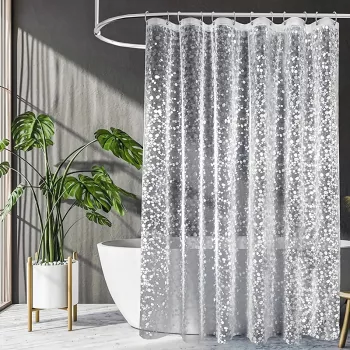
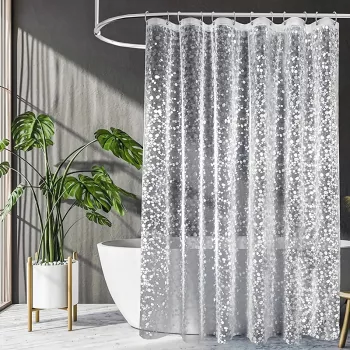
Waterproof PEVA Pebble Pattern Shower Curtain Liner with Hooks: A Simple Upgrade for a Drier Bathroom
A reliable shower curtain liner helps keep water in the tub, reduces damp floors, and makes daily cleanup easier. A waterproof PEVA liner with a subtle pebble texture offers a clean, practical look, and the included hooks plus multiple size options make it easier to fit common tub and shower setups without extra guesswork.
What This Liner Is Designed to Do
A shower liner does the unglamorous work of keeping spray and mist contained—especially during fast morning showers or when kids (or handheld showerheads) send water in every direction. This style of waterproof liner is built for everyday splash control while staying simple to install and easy to maintain.
- Blocks splashes and mist from escaping the shower area to help keep bathroom floors drier
- Works as a liner behind a decorative curtain or as a minimalist standalone curtain where appropriate
- Pebble pattern adds texture without overpowering small bathrooms or bright lighting
- Includes hooks to simplify setup without needing extra purchases
If you’re replacing an older liner that clings, puddles, or leaves the bath mat constantly damp, a waterproof PEVA liner is a straightforward refresh that improves day-to-day comfort without a full bathroom overhaul.
Material and Build: Why PEVA Works Well in Bathrooms
PEVA (polyethylene vinyl acetate) is widely used for shower liners because it’s flexible, water-resistant, and typically easy to wipe down. Unlike fabric-only curtains that can absorb moisture and hold onto dampness between uses, PEVA is designed to shed water so the surface dries more quickly when you leave it open after showering.
- PEVA is commonly used for shower liners because it’s water-resistant, flexible, and easy to wipe clean
- Lighter than many fabric curtains, making it less likely to sag when installed correctly
- Helps reduce water absorption compared with fabric-only solutions (especially useful for busy households)
- Best results come from pairing with good bathroom ventilation to limit moisture lingering after showers
Even with a waterproof liner, moisture management still matters. Using the exhaust fan, cracking the door, and letting the liner hang open can help reduce the damp conditions that allow mold to thrive. For practical guidance, see the EPA’s mold cleanup recommendations and the CDC’s basic mold facts.
Pebble Pattern: Practical Benefits Beyond Style
A subtle pebble texture isn’t just decorative. It can make an everyday liner look a bit more intentional, and it can be more forgiving than a perfectly smooth clear liner—especially in hard water areas where tiny spots show up quickly.
- Texture can help disguise minor water spots compared with perfectly smooth clear liners
- Creates a bit of visual privacy while still keeping the space bright (depending on lighting and color tone)
- Coordinates easily with most bath styles—modern, coastal, minimalist, and traditional
In many bathrooms, the pebble pattern hits a sweet spot: it’s subtle enough to blend in, yet it adds just enough depth that the liner doesn’t feel flimsy or overly “temporary.”
Sizes, Fit, and Installation Tips
Getting the right size matters as much as choosing the right material. A liner that’s too short can let water escape; one that drags can trap moisture and collect residue near the hem. Before ordering, measure the rod width and the drop (distance from rod to where you want the liner to end).
- Choose a size that matches the curtain rod width and the drop needed to reach inside the tub edge
- For tubs: ensure the liner falls inside the tub to direct water down rather than outward
- For showers: confirm the liner length clears the floor slightly to avoid wicking water and collecting residue
- Use the included hooks, evenly spaced, to reduce pulling and help the liner hang straight
- If the liner arrives folded, allow it to hang for a day or rinse briefly with warm water to relax creases
Quick Fit Checklist for Common Bathroom Setups
| Bathroom setup | What to measure | Fit goal | Helpful tip |
|---|---|---|---|
| Standard tub | Rod width + tub-to-rod drop | Liner sits inside tub lip | Keep bottom edge inside the tub to channel water back in |
| Walk-in shower | Opening width + desired length | Bottom edge stays off the floor | Leave a small gap to reduce buildup at the hem |
| Curved rod | Rod width at its widest point | Full coverage across curve | Consider slightly wider sizing if available to prevent side gaps |
| High ceiling / tall rod | Rod height from tub floor | Enough length without dragging | Avoid extra-long drops that rest on the floor and trap moisture |
Everyday Care and Cleaning
What’s Included and What to Expect
Featured Picks (In Stock)
- Waterproof PEVA Pebble Pattern Shower Curtain Liner with Hooks, Multiple Sizes — a practical, wipe-clean liner option designed to help control splashes and keep floors drier.
- Break the Tension: Stress Relief Techniques – Breathing Exercises, Quick Meditations, Grounding Techniques, and Time Management Tips to Reduce Stress — a simple add-on for building calmer daily habits, especially for busy households.
When This Liner Is a Good Match
FAQ
Does a waterproof liner prevent mold and mildew?
A waterproof liner helps reduce water absorption, but mold and mildew prevention also depends on ventilation, drying habits, and regular cleaning. Running an exhaust fan and leaving the liner partially open to dry can make a noticeable difference.
Can this be used without a decorative shower curtain?
Yes, it can work as a standalone curtain if you prefer a simple look. The pebble pattern adds texture and may provide partial privacy depending on your lighting and bathroom layout.
How do the included hooks affect installation?
The hooks make setup faster because you can hang the liner right away on most standard shower rods. Space the hooks evenly so the liner hangs straight, and position the bottom edge inside the tub or shower threshold for better splash control.








Leave a comment