Roll-Anywhere Kettle Grill Guide: Wheels + Side Table
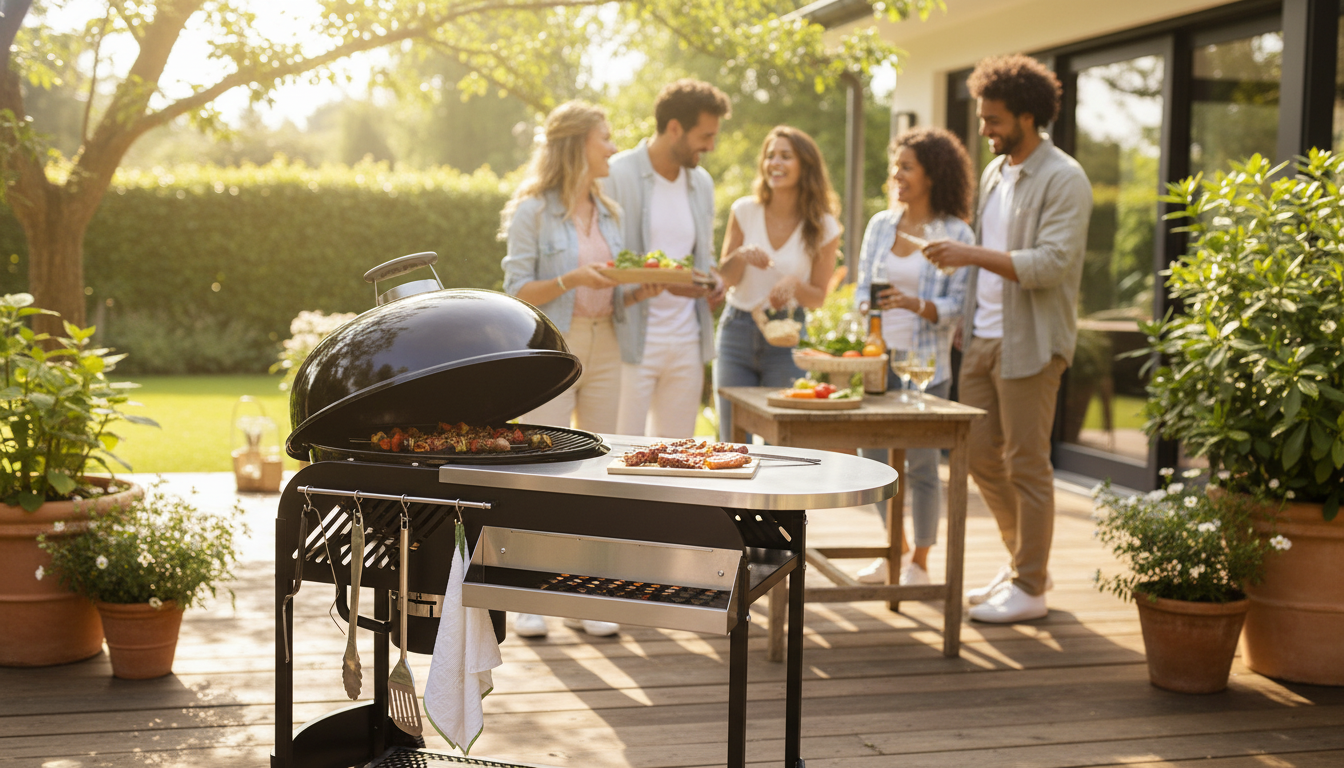
Portable Charcoal Kettle Grills: Big Flavor in a Roll-Anywhere Setup
A kettle-style charcoal grill is a dependable choice for bold flavor and simple heat control—especially when it’s easy to roll into position and includes a side table for prep and serving. The right portable kettle grill can handle quick weeknight burgers, a tailgate spread, or a campsite dinner without the bulk of a full-size cart grill. Below is what to look for, how to run a smooth charcoal cook, and how to keep your grill working like new season after season.
What Makes a Portable Kettle Grill Convenient Outdoors
The classic kettle design isn’t just a look—it’s a functional shape that helps charcoal cook efficiently.
- Kettle airflow supports versatility: A lid-on kettle naturally promotes steady airflow, making it easier to sear hot and fast or roast more gently for chicken and vegetables.
- Wheels reduce lifting: Rolling the grill is safer and simpler than carrying it—especially when you need to reposition away from wind, uneven ground, or heavy foot traffic.
- A side table keeps the cook moving: Tools, trays, and seasonings stay within reach, so food spends less time off-heat during flipping, basting, and serving.
- Portable footprint fits more places: Patios, small yards, and travel setups benefit from a compact kettle profile that still cooks like a “real” backyard grill.
Key Features to Check Before Buying
Small details make a big difference once charcoal is lit and you’re juggling timing.
- Cooking grate size: Match the grate area to your usual crowd—weekday family meals need less space than weekend parties.
- Air vents and lid fit: A snug lid and responsive vents help stabilize temperature, especially for indirect cooking.
- Ash handling: An ash catcher or easy-clean setup reduces mess and makes shutdown faster.
- Mobility and stance: Wheel size and a stable base matter on grass, gravel, or a deck where wobble is annoying and unsafe.
- Side table durability: Look for a stable surface that can hold a tray, tongs, and a cutting board without flexing.
- Heat-safe handles and lid management: Cool-touch or heat-shielded handles plus a lid hook make frequent checking safer.
- Material and finish: Coated or enamel-style finishes can help resist corrosion when the grill is stored outdoors under a cover.
At-a-Glance Specs and Fit for Common Cookouts
Use the checklist below to decide if a portable kettle grill with a side table and wheels matches how you actually cook outdoors. For smoother starts and steadier results, pair your grill with a chimney starter and an instant-read thermometer.
Quick Comparison: Use Cases and What to Prioritize
| Scenario | Why a Side Table Helps | Why Wheels Help | Charcoal Setup Tip |
|---|---|---|---|
| Backyard weeknight dinner | Prep and staging for quick flipping and saucing | Roll into a clear, safe spot near the patio | Use a small chimney; cook over direct heat for speed |
| Tailgate or park cookout | Keeps condiments/tools off the ground | Moves easily across parking lots/paths | Bring a windbreak; start coals slightly earlier |
| Campsite meals | Clean surface for foil packs and utensils | Reposition away from smoke drift and tent area | Use two-zone fire to avoid burning in variable wind |
| Low-and-slow style (ribs/chicken) | Space for spritzing, basting, and thermometer tools | Adjust position to avoid gusts that spike heat | Bank coals to one side and cook indirect with lid on |
Simple Two-Zone Charcoal Method for Better Control
Two-zone cooking is one of the most useful techniques on a kettle grill because it gives you a “hot side” and a “cool side” at the same time.
- Light charcoal in a chimney starter: It’s a cleaner, more reliable start than piling coals in the bowl and hoping they catch evenly.
- Create two zones: Pour fully lit coals to one side. That’s your direct-heat zone for searing. The other side becomes indirect heat for finishing.
- Use the lid and vents to steer heat: Lid on for roasting-style cooking. Open vents to raise heat; close them slightly to lower it.
- Sear, then finish: Start thicker cuts over direct heat to build color, then move to indirect heat to reach a safe internal temperature without scorching.
- Add a drip pan on the cool side: This helps reduce flare-ups with fatty foods and makes cleanup easier.
For food safety targets, reference the USDA’s minimum internal temperature chart: USDA FSIS — Minimum Internal Temperatures.
Using the Side Table Like a Mini Prep Station
Care, Cleanup, and Storage for Longer Grill Life
For general placement and fire prevention tips, review: National Fire Protection Association — Grilling Safety.
A Portable Option to Consider
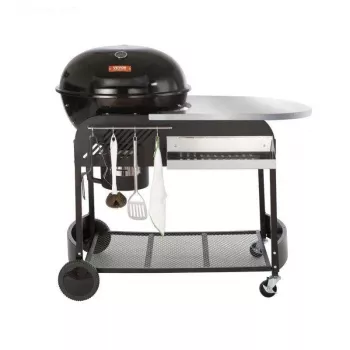
- Portable Charcoal Kettle Grill with Side Table and Wheels for Outdoor Cooking — built for outdoor cooking setups that benefit from roll-anywhere mobility and a handy prep/serving shelf.
- 5-Minute Reset for Exhausted Parents (3 in 1) | Audio Course — a quick unwind option for hosting days when you want a calmer reset before (or after) the cookout.
FAQ
How does a kettle grill control temperature compared with an open grill?
A kettle grill uses lid-on cooking and adjustable vents to control airflow, which directly controls heat and burn rate. A two-zone charcoal layout adds even more control by separating direct searing heat from indirect finishing heat.
Is it safe to grill on a deck or patio with a portable charcoal grill?
It can be safe with the right setup: keep generous clearance from rails and walls, place the grill on a non-combustible surface (or use a heat mat), and manage sparks/embers carefully when adding charcoal or emptying ash. Follow local rules and keep a fire extinguisher nearby.
What’s the easiest way to start charcoal for consistent results?
Use a chimney starter with newspaper or fire starters, then wait until the coals are mostly ashed over before cooking. Avoid lighter fluid when you want cleaner, more consistent flavor and ignition.








Leave a comment