Wireless Electric Foot Grinder for Smooth Heels Fast
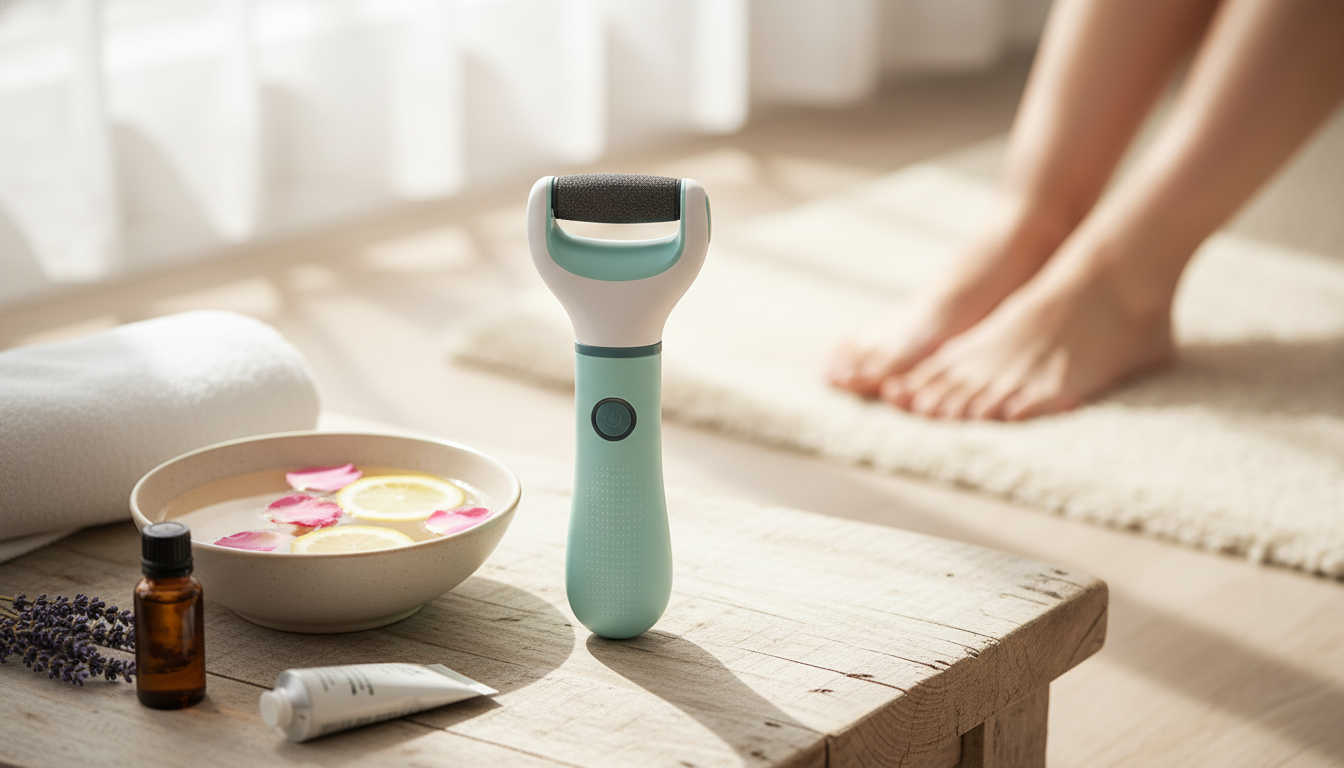
Rough heels and stubborn calluses can make feet feel uncomfortable and look uneven—especially when sandal season arrives. A wireless, rechargeable electric foot grinder helps soften and buff away thick skin at home with less effort than manual files, while keeping the routine quick and consistent.
What This Wireless Foot Grinder Helps With
- Reduces the look and feel of rough, dry patches on heels and the balls of the feet
- Smooths built-up calluses caused by friction from shoes, running, or standing for long hours
- Supports an at-home pedicure routine between salon visits
- Helps improve comfort in socks and shoes by minimizing snagging and pressure points
Who It’s Best For (and When to Skip It)
- Good fit: people with dry heels, light-to-moderate calluses, and anyone wanting a faster weekly maintenance routine
- Helpful for: frequent walkers/runners, workers on their feet, and those who prefer a cordless tool
- Skip or consult a clinician first if: there are open sores, bleeding cracks, infection signs, severe pain, or numbness/poor sensation
- Extra caution: diabetes, poor circulation, or neuropathy—foot care tools can cause unnoticed injury
For people managing diabetes-related foot concerns, it’s worth reviewing conservative care guidance like the Mayo Clinic’s tips on diabetes foot care before using any at-home buffing device.
Wireless + Rechargeable: Why It Changes the Routine
- Cord-free use makes it easier to move around and reach heels without awkward angles
- Rechargeable designs reduce ongoing battery waste and keep the tool ready for regular upkeep
- More consistent use (short sessions) often works better than occasional aggressive filing
A cordless tool is especially convenient if foot care is part of a quick “after-shower” or “before bed” routine. When the device is charged and within reach, it’s easier to do a two-minute touch-up before roughness turns into thick buildup.
How to Use It for Smoother Feet (Simple Home Pedicure Flow)
- Start with clean, dry feet; if preferred, soak briefly, then dry thoroughly before buffing
- Work in short passes on thick areas; avoid pressing hard—let the grinder do the work
- Focus on callused zones only; avoid thin or irritated skin and never use on broken skin
- Rinse or wipe away dust, then apply a thick foot cream; consider socks after moisturizing
- Repeat as needed: light maintenance 1–3 times per week typically beats one long session
If dryness is a recurring issue, daily moisturizing matters as much as buffing. The American Academy of Dermatology Association shares practical, skin-friendly habits for managing dry skin, which can complement a consistent foot-care routine.
Safety and Skin-Comfort Tips
- Stop immediately if skin feels hot, tender, or looks overly pink—over-buffing can cause sensitivity
- Avoid sharing foot care tools to reduce the risk of spreading fungus or bacteria
- Moisturize after buffing; urea- or lactic-acid foot creams can help soften thick skin over time
- Keep the tool clean and dry between uses to maintain performance and hygiene
One of the easiest ways to stay comfortable is to keep sessions gentle and frequent. Think “polish and maintain” rather than “remove it all at once.” Skin needs a protective layer—over-thinning it can make walking feel tender and can increase irritation from shoes.
Quick At-Home Pedicure Checklist
- Cleanse: wash feet and dry well
- Buff: gentle passes on heels/ball of foot
- Refine: check for remaining rough spots and smooth lightly
- Hydrate: apply a thick foot cream, especially to heels
- Maintain: short sessions weekly to prevent heavy buildup
| Routine type | Typical session length | How often |
|---|---|---|
| Light maintenance | 2–5 minutes | 1–3× per week |
| Moderate buildup | 5–10 minutes | 1–2× per week, then reduce |
| Post-pedicure upkeep | 1–3 minutes | Weekly |
Care, Cleaning, and Storage
- Remove skin dust after each use; wipe the handle and keep vents/attachments clear
- Allow parts to dry fully before storing, especially if used after soaking
- Store in a dry place away from splashes to protect the motor and rechargeable components
- Recharge as needed so the tool is ready for quick touch-ups
Regular cleaning improves performance and keeps the grinding surface working evenly. A quick wipe-down and dry storage also helps the rechargeable components last longer, especially in humid bathrooms.
What to Expect After a Few Uses
- Immediately: smoother texture on rough patches and less snagging on socks
- After 1–2 weeks of consistent care: softer heels with less visible flaking for many people
- Long-term: best results come from gentle buffing plus regular moisturizing and well-fitting footwear
Product Options (In Stock)
- Electric Foot Grinder Wireless Callus Remover Rechargeable Pedicure Tool — a cordless option designed for convenient at-home smoothing and ongoing maintenance.
- Green “You Look Good” Bathroom Rug – Non-Slip Bath Mat for Preppy Home Decor — a cozy, slip-resistant upgrade for the spot where you dry off and moisturize.
- Elegant PU Leather Journal Notebook with Thick Soft Cover & Elastic Strap — a simple way to track self-care habits (like weekly foot maintenance) so results stay consistent.
FAQ
Is it better to use an electric callus remover on wet or dry feet?
It’s generally safer and easier to control on clean, dry feet. If you like soaking first, dry thoroughly before you start and avoid using it on any broken or irritated skin.
How often should a callus remover be used?
For most people, short sessions 1–3 times per week work well for maintenance. Once feet stay smooth and comfortable, reduce frequency and focus on moisturizing to prevent heavy buildup.
Can an electric foot grinder cause damage if overused?
Yes—too much time in one area or pressing too hard can over-thin the skin and lead to tenderness. Use light passes, check your progress often, and stop if skin becomes sensitive or overly pink.










Leave a comment