Modern Etiquette: Texting, Social Media & RSVP Scripts
Modern Etiquette Made Easy: A Micro-Course for Texts, Social Posts, RSVPs, and Everyday Politeness
Politeness today is less about memorizing rigid rules and more about reducing friction—especially when messages are short, contexts are unclear, and expectations differ across generations and platforms. A simple set of modern guidelines can help conversations feel warmer, boundaries feel clearer, and social plans run smoother. Think of modern etiquette as a set of small choices that protect time, tone, and trust—without making life feel formal.
What “Modern Etiquette” Looks Like Now
Good etiquette still centers on respect, but the “how” has changed. Digital communication collapses distance and context, so the most considerate people are often the clearest.
- Assume good intent, but communicate clearly: tone is often missing in digital spaces, so clarity prevents unnecessary hurt.
- Respect attention: keep messages scannable, timely, and relevant—especially when someone is juggling work, family, and notifications.
- Match the channel to the moment: urgent or emotional issues deserve more direct contact; casual updates can be asynchronous.
- Be consistent: reliability is a form of politeness (showing up, following through, replying when promised).
For classic etiquette principles adapted to modern life, the Emily Post Institute’s etiquette guidance remains a strong reference point.
Texting Habits That Prevent Awkwardness
Texting is where most everyday misunderstandings happen. The goal isn’t to sound “perfect”—it’s to make your meaning easy to receive.
- Open with context when needed: a quick “Quick question about tomorrow…” reduces confusion and helps the other person prioritize.
- Avoid multi-bubble pressure: send one complete message when possible instead of rapid-fire fragments that demand constant attention.
- Use punctuation and emojis thoughtfully: clarity beats intensity; avoid all caps, sarcasm, or excessive exclamation points when the topic is practical.
- Set reply expectations: acknowledge when a full response will take time (“I’ll confirm after I check my calendar”).
- Group texts: name the purpose and the decision needed; keep side conversations off-thread when they don’t serve the group.
Common texting situations and a polite default response
| Situation | Polite default | Why it works |
|---|---|---|
| Late reply | “Thanks for your patience—just seeing this now.” | Acknowledges delay without overexplaining. |
| Can’t make plans | “Thanks for inviting me—can’t make it, but hope it’s great.” | Declines clearly while keeping warmth. |
| Need clarification | “Just to confirm—are we meeting at 6 or 6:30?” | Prevents mistakes and shows care. |
| Boundary on availability | “I’m offline after 9, but I’ll reply in the morning.” | Sets expectations without sounding dismissive. |
| Sensitive topic | “This might be easier by phone—are you free for a quick call?” | Moves nuance to a better channel. |
Social Media Courtesy Without Overthinking
Social platforms reward speed and hot takes, but courtesy travels farther than cleverness. A few checks can protect relationships and reputations.
- Before posting: consider privacy, permanence, and whether someone else is identifiable in the content.
- Tagging and sharing: ask before posting photos of others in sensitive contexts (kids, workplaces, health, events with guest lists).
- Comment etiquette: keep corrections and disagreements respectful; move complex conflicts to private messages.
- Direct messages: state the purpose early; avoid “hey” with no follow-up, which creates a waiting burden.
- Professional overlaps: keep boundaries between personal accounts and workplace relationships when appropriate.
Social media use is widespread and constantly evolving; the Pew Research Center social media fact sheet offers helpful context on how many people rely on these platforms daily—one reason small courtesies matter.
RSVPs, Cancellations, and Hosting Basics That Save Everyone Time
Social plans run on information. When people delay responding, hosts and friends are forced to guess—often at their own expense.
- RSVP promptly: respond as soon as the decision is known; non-response creates planning strain.
- Honor the headcount: last-minute add-ons should be asked, not assumed.
- If canceling: notify the host immediately, briefly, and kindly; avoid dramatic detail.
- Bring clarity as a guest: ask what to bring only once; if told “nothing,” respect it—or bring something small and easy.
- As a host: provide key details up front (time window, dress vibe, parking, food plan, plus-one policy).
Everyday Politeness: Small Moves With Big Impact
Everyday etiquette is less about being “proper” and more about lowering stress in shared spaces.
A Quick, Printable Way to Practice (Without Memorizing Rules)
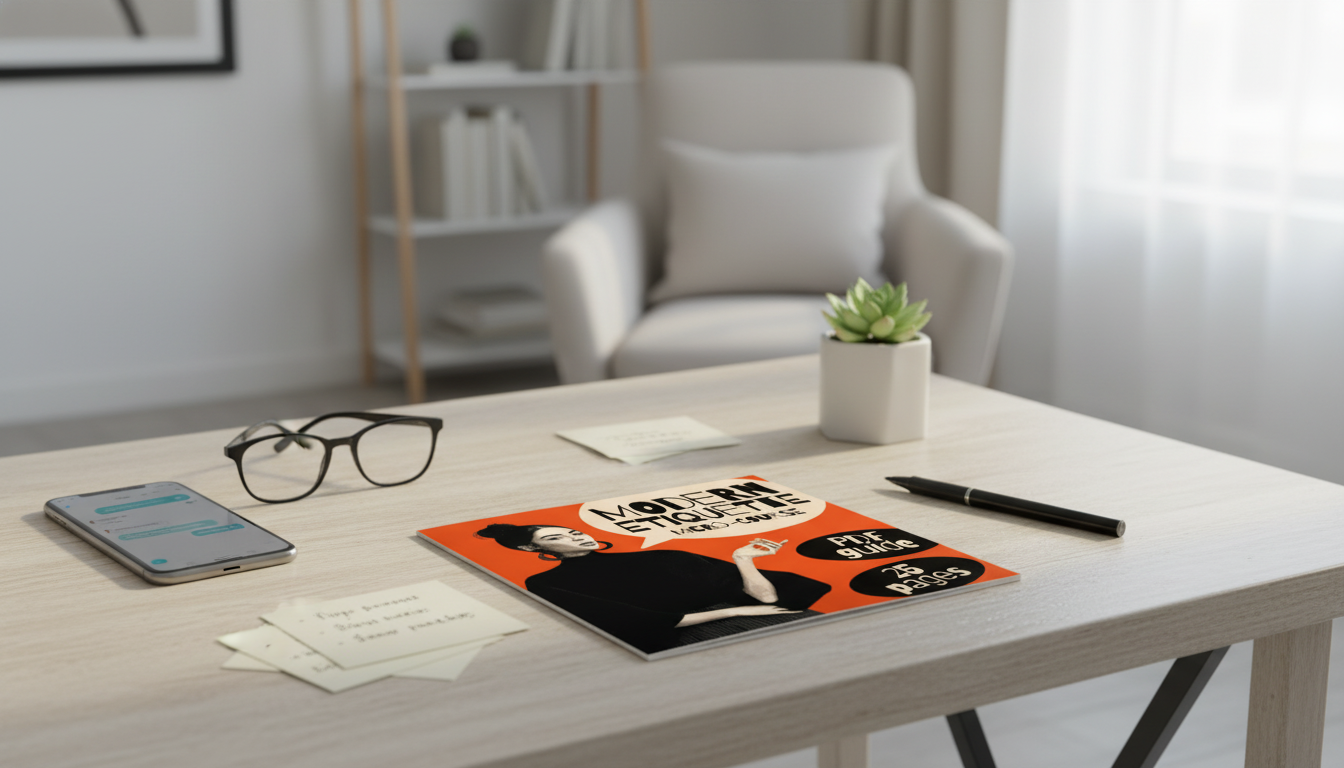
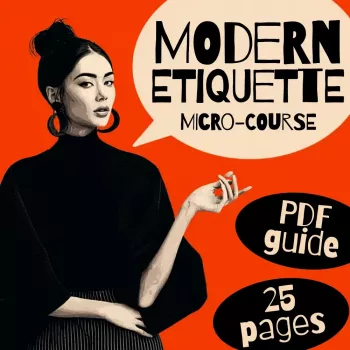
If you want a simple, ready-to-use reference, consider the Modern Etiquette Micro-Course (Printable Digital Guide). It’s designed for real-life moments like texting tone, social media boundaries, RSVP timing, and everyday kindness—so you can choose words that feel calm, clear, and genuinely you.
When Etiquette Meets Stress: Staying Calm and Kind Under Pressure
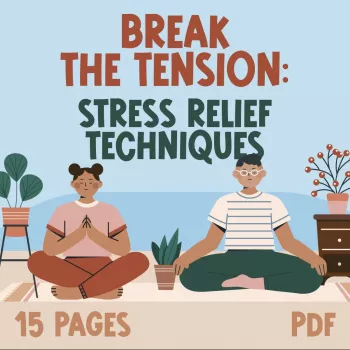
For quick tools that support calmer communication, CDC guidance on stress and coping is a solid starting point. If you prefer a structured set of exercises you can keep on hand, Break the Tension: Stress Relief Techniques offers breathing, grounding, and time-management methods that fit into busy days—especially when you want to respond thoughtfully instead of reactively.
FAQ
How fast should someone reply to a text?
For urgent messages, aim for minutes to a couple of hours when possible; for casual texts, same-day or within 24 hours is a common, considerate norm. If you can’t respond fully yet, send a quick acknowledgment like “Got this—I’ll reply after I check.”
Is it rude to leave someone on read?
Not always—some messages don’t require a reply (like “Thanks!” or simple updates). When a response is clearly expected, a short closure (“Sounds good” or “I’ll get back to you tomorrow”) keeps things smooth, especially in group chats.
What’s the most polite way to cancel plans last minute?
Notify the person as soon as you know, apologize once, and keep it brief: “I’m so sorry—something came up and I can’t make it tonight.” If they incurred costs or made special arrangements, offer a considerate next step (reschedule or reimburse) without overexplaining.









Leave a comment