Stainless Pot Brush with Handle for Burnt-On Cleanup
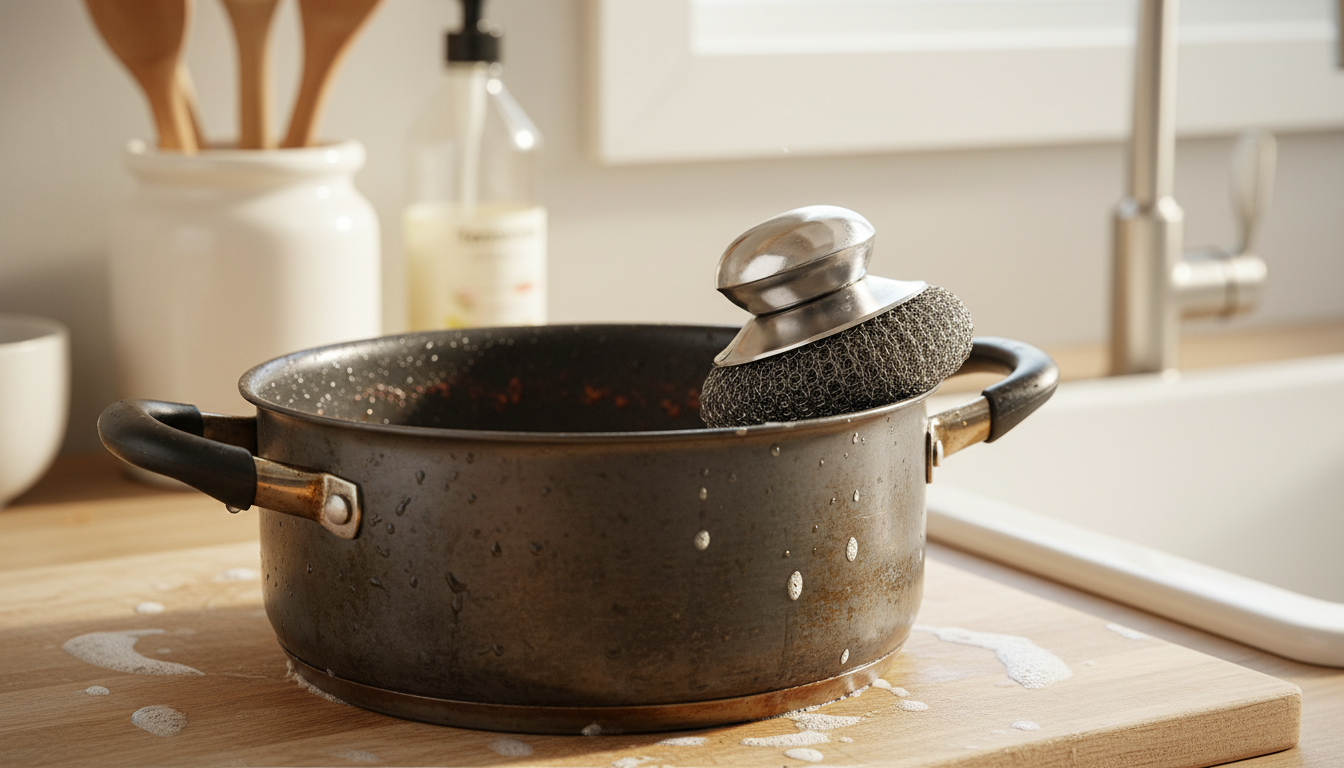
Stainless Steel Pot Brush with Handle: Fast Scrubbing for Tough Cookware Messes
A stainless steel pot brush with a handle is built for stubborn residue—burnt-on food, stuck grease, and baked sauces—while keeping hands away from hot water and harsh grime. When a sponge starts smearing oily film or shredding on rough spots, a metal-bristle brush can be the faster “finish work” tool that clears the last layer without endless soaking and scraping. With a few simple habits, it can stay hygienic, dry quickly, and keep its scrubbing power for a long time.
What This Brush Does Best
- Lifts burnt-on bits from pots, pans, baking trays, grill grates, and metal racks.
- Targets corners and curved surfaces where flat scrub pads struggle to maintain contact.
- Handle improves reach and control while reducing direct contact with grime and hot, sudsy water.
- Works well as a “second step” after soaking—finishes residue without excessive elbow grease.
For everyday food soils, a soft sponge or non-scratch pad is usually enough. Where a stainless steel pot brush earns its place is the moment you’re dealing with carbonized sauce rings, browned fond that won’t release, or that stubborn baked-on layer that clings to rims and rivets.
Materials and Build Details to Look For
- Stainless steel bristles: strong abrasion for cooked-on residue; typically longer-lasting than plastic bristles when used on tough messes.
- Handle grip: a secure, non-slippery grip helps apply steady pressure—even with soap, steam, and wet hands.
- Connection point: bristles should feel firmly anchored so the head doesn’t loosen or wobble during heavy scrubbing.
- Size and shape: a compact head fits tight areas; a slightly domed profile helps follow pan curves and rounded corners.
A well-built brush should feel balanced: not so stiff that it’s hard to control, and not so flimsy that it folds or twists when you push into a baked-on patch.
Where It’s Safe to Use (and Where to Avoid)
Metal bristles are effective because they’re aggressive. That also means surface choice matters. When used on the right cookware, they save time; used on the wrong finish, they can leave scratches or dullness.
Cookware Compatibility Guide
| Surface | Recommended approach | Notes |
|---|---|---|
| Stainless steel pots/pans | Medium pressure after soaking | Great for browned fond and burnt sauce rings |
| Cast iron / carbon steel | Light-to-medium pressure | Avoid stripping seasoning; dry and oil after cleaning |
| Enamel-coated cookware | Light pressure, short passes | Too much force may dull shine; avoid edge chipping |
| Nonstick coatings | Avoid | Use a nylon brush or soft sponge instead |
| Aluminum (uncoated) | Avoid or very light pressure | May scratch or discolor the surface |
For delicate surfaces, start with soaking and mild dish soap, test a small spot, and use minimal pressure. If the finish is highly polished for looks (not just function), consider switching to a softer tool to avoid visible scuffing.
How to Use It for Faster Cleaning
- Soak first: hot water + dish soap loosens residue and reduces the force needed. Even 10–15 minutes can make the scrubbing step dramatically shorter.
- Scrub in short arcs: small circular strokes lift debris efficiently without gouging or skidding across the surface.
- Angle for corners: tilt the brush head to work the rim line, rivets, and curvature where buildup hides.
- For heavy burn: add a baking soda paste (baking soda + a little water), let sit 10–20 minutes, then scrub.
- Rinse frequently: flushing the bristles keeps loosened grit from re-scratching and helps you see what’s actually clean.
On stainless cookware, pairing a brush with an appropriate cleaner can help remove discoloration and stubborn film after the chunks are gone. For brand-specific tips on stainless steel cleanup and polishing, reference Bar Keepers Friend’s stainless steel cleaning guidance and always rinse thoroughly.
Cleaning and Storage for Hygiene
- Rinse thoroughly: run hot water through the bristles to clear trapped food particles immediately after use.
- Degrease as needed: occasionally soak in warm water with dish soap to remove oily buildup that can cling between bristles.
- Dry well: shake off water and store bristle-side down or hanging so it dries quickly between uses.
- Keep it separate: use a dedicated brush for cookware; avoid mixing with tools used for raw-meat prep surfaces.
- Replace when worn: if bristles splay, rust spots appear, or debris won’t rinse out, swap it out for a fresh one.
For a simple, practical baseline on cleaning and sanitizing kitchen tools, the USDA FSIS guide to cleaning and sanitizing outlines the difference between removing visible soil and reducing germs on food-contact items.
Simple Alternatives for Specific Jobs
Product Options Available Now
- Stainless Steel Pot Brush with Handle — A budget-friendly tool for tackling stuck-on messes with a grippy handle and durable scrubbing surface. Works best paired with a short soak and warm soapy water to minimize aggressive scrubbing.
- Men’s Vintage Leather Belt with Alloy Pin Buckle – 1.5″ Wide Cowhide Strap — A classic accessory pick if you’re refreshing everyday essentials.
- 1400 ANSI Lumens 4K Ultra HD Home Theater Projector with WiFi & Dolby Audio — A high-impact upgrade for movie nights and big-screen viewing at home.
FAQ
Can a stainless steel pot brush scratch stainless steel cookware?
Yes—stainless steel can still show scratches, especially on highly polished finishes. Soak first, use moderate pressure, and scrub in the direction of the metal’s grain when possible to minimize visible marking.
Is it safe to use a metal bristle brush on nonstick pans?
No. Metal bristles can scratch or damage nonstick coatings, which shortens the pan’s lifespan; use a nylon brush or soft sponge instead.
How do you clean and sanitize a pot brush after heavy use?
Rinse it under hot water, wash with dish soap, and occasionally soak it in hot, soapy water to cut grease. Dry it thoroughly between uses, and replace it if bristles corrode, splay badly, or keep trapping debris.












Leave a comment