2500W Handheld Steam Cleaner: Home & Car Detail Guide
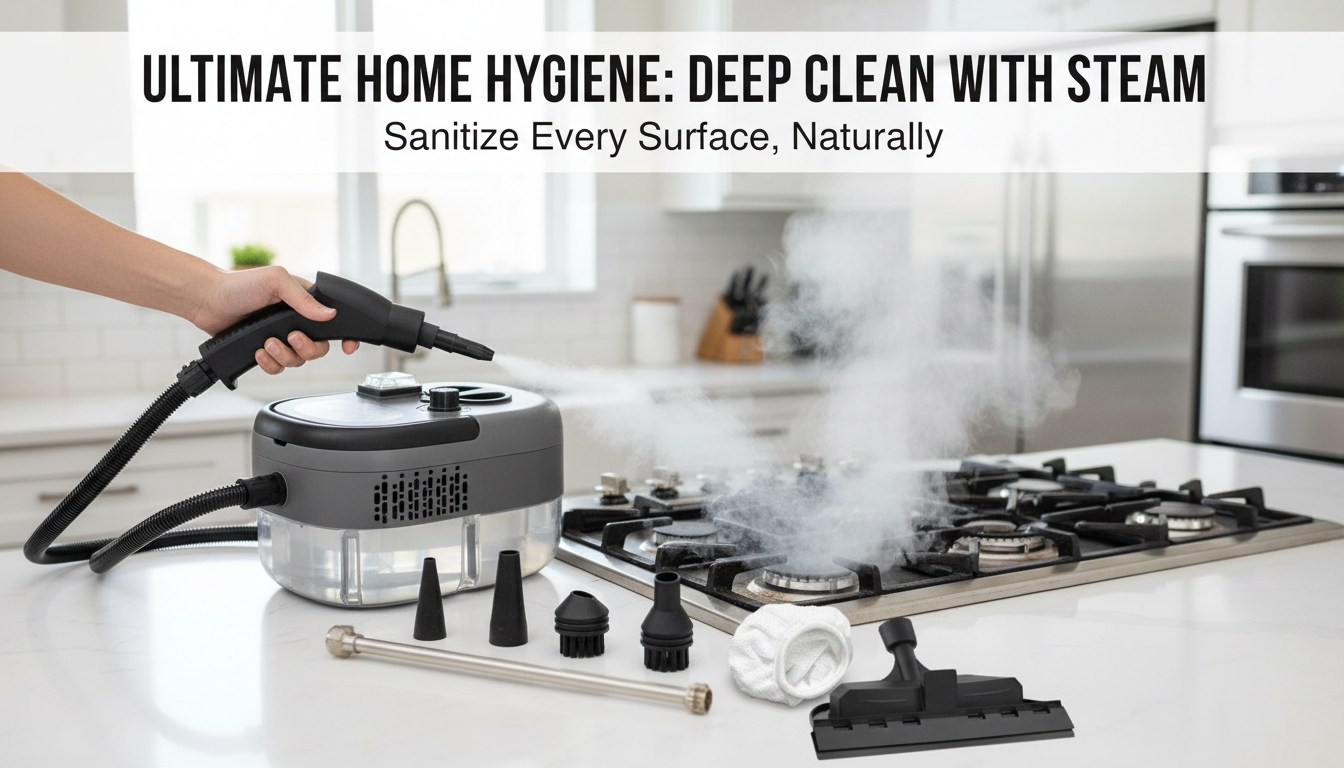
2500W High-Temperature Handheld Steam Cleaner for Home and Car
A high-temperature handheld steam cleaner can cut through greasy buildup, lift stuck-on messes, and refresh fabric surfaces using heat and moisture—often with less reliance on chemical cleaners. With a 2500W handheld unit, the appeal is simple: quick bursts of steam for spot cleaning, detail work, and hard-to-reach areas where a cloth alone can’t get traction. Below is a practical guide to where steam works best at home and in a vehicle, how to use it safely, and what to check before buying.
What a handheld steam cleaner is best at
- Loosening grime in tight spaces: grout lines, stove edges, sink crevices, window tracks, and trim where a brush and narrow nozzle can reach.
- Softening oily or sticky residue: steam helps break the bond so residue wipes away instead of smearing.
- Refreshing car touch points: cupholders, center consoles, door jambs, seat rails, and floor mats (depending on material and how you dry).
- Reducing odors: by removing the residue that holds smells—then drying thoroughly so moisture doesn’t create new odor issues.
- Detailing and finishing: the right attachment can lift grime from textured plastics, seams, and corners without harsh scrubbing.
At-a-glance: key details to check before buying
- Power and heat-up behavior: higher wattage often supports faster steam readiness and steadier output during short, repeated bursts.
- Portability: handheld models are best for quick jobs and spot cleaning rather than whole-house floors.
- Attachments: crevice nozzles, angled tips, and brush heads can be the difference between “kind of clean” and truly detailed.
- Surface compatibility: sealed hard surfaces are typically safest; delicate finishes and some automotive trims need caution and spot testing.
- Water handling: a practical fill/drain routine (plus easy cooldown and storage) helps you actually use it regularly.
Product snapshot
| Item | Details | Why it matters |
|---|---|---|
| Model | 2500W High-Temperature Handheld Steam Cleaner for Home and Car | Handheld format aimed at home detailing and vehicle interior touch-ups |
| Power | 2500W | Often associated with quicker steam readiness and more consistent output for stubborn grime |
| Use areas | Home surfaces and car interior/exterior detailing (surface-dependent) | A versatile tool when paired with the right attachments and wiping routine |
| Price | $79.32 (USD) | Helpful benchmark when comparing against attachment sets and build quality |
| Availability | In stock | Useful for planning purchase timing |
Where steam cleaning shines at home
- Kitchen: stovetop edges, range hood seams, backsplash (sealed tile), sink fixtures, and trash can lids. Steam to loosen, then wipe immediately to remove softened grease before it re-sets.
- Bathroom: sealed tile and grout, shower door tracks, faucet bases, and around toilet hinges. Use steam as a loosening step—avoid forcing moisture into gaps where it can linger.
- Entryways: baseboards and door thresholds that pick up scuffs and salt film. Spot test painted areas first, especially if the paint is older or matte.
- Windows and tracks: dry-brush or vacuum debris first, then steam lightly and wipe dry to prevent streaking and dirty drips.
- Upholstery and fabric: keep the head moving and use low exposure. The real win is fast lifting of surface residue—then prioritize airflow and dry time.
How to use a handheld steam cleaner in a car without over-wetting
- Start with dry removal: vacuum carpets, crevices, and seats so steam targets residue instead of loose grit.
- Work in sections: short bursts of steam, then wipe or agitate with a brush, then wipe again. This “steam → lift → remove” rhythm helps prevent damp padding.
- Use microfiber follow-up: the best results usually come from steaming just enough to loosen grime and immediately wiping it away.
- Protect electronics and seams: avoid direct steam into buttons, infotainment gaps, vents, sensors, and stitched seams where moisture can hide.
- Dry thoroughly: open doors, run fans, and don’t trap moisture under mats or around seat rails.
Step-by-step: a practical routine for stubborn grime
Surfaces to avoid or handle with extra care
Care, descaling, and storage for longer lifespan
When steam is not a substitute for disinfecting
Cleaning removes soil; disinfecting targets germs—these aren’t always the same step. If disinfection is needed, follow public-health guidance and disinfectant label directions for approved products and required contact times. Steam can be a strong pre-clean step so disinfectants work more effectively afterward. For additional guidance, see the CDC’s cleaning and disinfecting recommendations, and always take burn precautions around hot vapor (see CPSC guidance on scald burns).
Choosing the right setup for your routines
Related picks in stock
- 2500W High-Temperature Handheld Steam Cleaner for Home and Car — a handheld option designed for home and vehicle detail tasks.
- 1400 ANSI Lumens 4K Ultra HD Home Theater Projector with WiFi & Dolby Audio — a nice upgrade for a freshly cleaned living room or media space.
- Elegant Vintage Gold Textured Square Stud Earrings for Women — a quick add-on item if you’re bundling a few household buys.
FAQ
Can a handheld steam cleaner be used on car seats and carpets?
Yes—use short bursts, keep the nozzle moving, and wipe immediately so you lift grime without soaking foam or padding. Test fabric first, avoid blasting stitched seams, and prioritize fast drying with airflow.
Do steam cleaners sanitize without chemicals?
Heat can reduce germs, but results depend on the temperature reaching the surface and how long it stays there. For situations that require true disinfection, follow public-health guidance and use an approved disinfectant with the correct contact time after cleaning.
What water should be used in a handheld steam cleaner?
Use plain water according to the device instructions. In hard-water areas, distilled water can help reduce mineral buildup and keep steam output more consistent over time.










Leave a comment