Toddler Nightmares: 5-Minute Comfort Plan & Bedtime Fixes

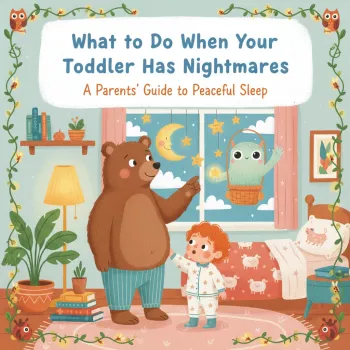
What to Do When Your Toddler Has Nightmares: Practical Comforting Tips and Bedtime Solutions
Nightmares can feel intense for toddlers and exhausting for parents—especially when they repeat night after night. A calm, predictable response can reduce fear in the moment and help prevent future wake-ups. Below you’ll find a clear 2 a.m. plan, toddler-friendly comforting strategies that don’t create new sleep battles, and simple routine adjustments that often make nights smoother.
For more background on children’s sleep and common sleep challenges, you can also reference American Academy of Pediatrics (HealthyChildren.org) and the Sleep Foundation’s overview of nightmares.
Nightmares vs. night terrors: why the difference matters
Not every nighttime scream is the same. Knowing whether you’re dealing with nightmares or night terrors helps you choose the right response—comfort and connection for nightmares, safety and minimal stimulation for night terrors.
| Feature | Nightmares | Night terrors |
|---|---|---|
| When they happen | Often later night/early morning | Often early night |
| Child wakes fully | Yes | Not fully |
| Consolable | Usually yes | Often no |
| Memory next day | May remember | Usually none |
| Best parent response | Comfort, reassure, brief reset | Keep safe, stay calm, avoid waking |
Nightmares typically show up in the second half of the night, when dream sleep is more active. Your toddler may call for you, want to be held, and even describe scary images. Night terrors, on the other hand, often happen in the first third of the night; a child may scream, thrash, or look awake while still confused and unreachable—and usually won’t remember anything in the morning.
If episodes are frequent, prolonged, or create a safety risk (climbing, bolting, hitting), track timing and patterns and discuss them with your pediatrician.
What to do in the moment (a calm 5-minute plan)
When it’s the middle of the night, the goal is fast comfort with low stimulation—enough support to feel safe, not so much that waking becomes a habit.
- Start with presence. Sit close, soften your voice, and use one steady phrase: “You’re safe. I’m right here.”
- Do one simple check. Offer a sip of water, a quick bathroom trip if needed, and a one-time room scan (closet/under bed). Avoid repeating the scan over and over—it can accidentally teach the brain that the room is dangerous unless you “prove” it’s safe.
- Help the body settle. Try “blow out the birthday candles” breathing (slow inhale, long exhale), a gentle back rub, or holding hands for 60–90 seconds.
- Name and normalize feelings. “That was a scary dream. Dreams can feel real, but they can’t hurt you.” This validates without reinforcing the fear.
- Keep it brief and dim. Keep lights low and avoid screens, snacks, or long talks. Too much attention or entertainment can turn wake-ups into a learned pattern.
If your toddler wants to talk about the dream, redirect toward a safe ending: “Let’s change the story—what does your teddy do to help?” The point is to move from helpless fear to a calm, “I can handle it” feeling.
Comforting strategies that work for toddlers (without creating new sleep struggles)
Toddlers thrive on predictable cues. The most effective comfort routines are simple enough to repeat exactly, even when you’re half-awake.
- Use a consistent comfort object. A specific stuffed animal or small blanket used only for sleep can become a powerful calming signal.
- Create a “safe phrase” routine. Same words, same tone, same steps each time. Predictability reduces panic faster than elaborate reassurance.
- Try a brief check-in approach. Reassure, tuck in, step away for 1–2 minutes, then return if needed. As nights improve, gradually lengthen the gap so your toddler practices settling again.
- Be cautious with the parents’ bed. Occasional comfort is fine. If it becomes the default, it can turn into a nightly expectation. When you do bring your child in, consider returning them to their room once calm and drowsy.
- Practice separation in daylight. If separation anxiety is driving wake-ups, do short separations during the day with quick goodbyes and reliable returns (“I’ll be back after I switch the laundry”).
Daytime and bedtime triggers to look for
Nightmares often spike when the brain is overloaded—by fatigue, stimulation, or change. A few small adjustments can reduce the “fuel” that vivid dreams run on.
A bedtime routine designed to reduce nightmares
Scripts to say (and what to avoid saying)
When to get extra help
A step-by-step plan that’s easy to follow at night
Helpful resources from the shop
- What to Do When Your Toddler Has Nightmares | Ebook Guide for Parents | Practical Comforting Tips & Bedtime Solutions (nighttime scripts, routine ideas, and a clear plan for repeated nightmares)
- Wooden Montessori Tree Screw Blocks Toy – Educational Puzzle for Kids (quiet, focused daytime play to schedule earlier—helpful for calmer evenings)
FAQ
How long do toddler nightmares usually last?
Many toddlers go through nightmare phases that last days to a few weeks, with flare-ups during stress, big changes, or overtired periods. Consistent bedtime routines and the same calm response at night often help; check with a pediatrician if nightmares are frequent for weeks or affect daytime mood.
Should a toddler sleep in a parent’s bed after a nightmare?
Occasional comfort is okay, but repeated co-sleeping after nightmares can quickly become an expected pattern. When possible, calm your toddler in their room, use brief check-ins, and help them fall back asleep where they started the night.
What if a toddler is screaming but won’t wake up?
This can be a night terror rather than a nightmare. Keep your child safe, stay nearby, keep lights low, and avoid trying to shake or fully wake them; if it’s frequent or unsafe, track timing and talk with your pediatrician.











Leave a comment