Standard Sewer Pipe Size: 4-Inch vs 3-Inch Explained
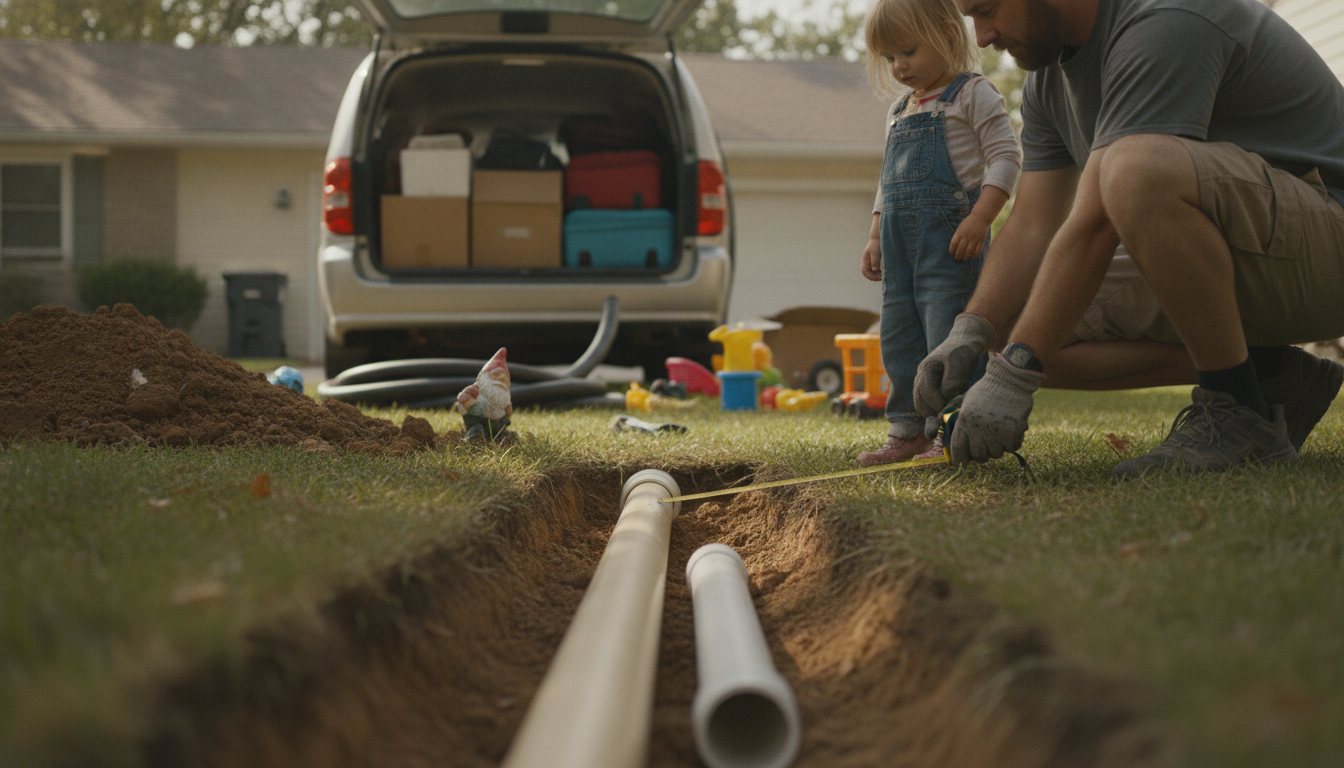
What is the standard size for sewer pipe?
There isn’t one single “standard” sewer pipe size for every situation, because sewer lines are sized based on where the pipe is used (inside the home vs. building drain vs. the line running out to the street/septic), the number of fixtures served, and local plumbing code. That said, a few sizes show up so often that they’re commonly treated as the standard in typical residential work.
Common residential sewer pipe sizes
4-inch pipe is the most common “standard” size for a home’s main building drain and the line that carries wastewater out to the municipal sewer or septic system. Many houses have a 4-inch main line because it handles the combined flow from toilets, showers, sinks, and laundry while helping solids move through without frequent blockage.
3-inch pipe is also widely used, especially for toilet branches and smaller building drains in some homes. In certain layouts and codes, a 3-inch line may serve as the building drain for smaller residences, but 4-inch is still very common for the main run to the outside.
Typical sizes inside the home
Branch drains are usually smaller than the main sewer line. A bathroom sink may connect to 1 1/2-inch drain pipe, many tubs/showers use 2-inch, and toilets typically connect to 3-inch. These branches tie into larger drain and sewer piping as they combine flows.
Why “standard” can vary
Pipe material (PVC, ABS, cast iron), slope, distance to the street, fixture count, and local code can all affect the required diameter. If clogs are recurring, the issue is often buildup, roots, or a sagging section rather than the pipe being “too small.” For practical clog-clearing tips and tools, see the guide here: https://uniquefavehall.shop/guide-160cm-spring-drain-snake-clear-sink-shower-clogs/.
FAQ
What size drain snake do I need for a shower or sink clog?
For most sink and shower clogs, a smaller hand auger or spring-style drain snake designed for 1 1/2-inch to 2-inch drains is usually the best fit. Choose a length that can reach past the trap and into the branch line, and avoid forcing a cable that feels too large for the pipe.












Leave a comment